BY TYPE

Editorial | 27 May 2021
If the respirator is not securely fitted to the face it will not provide the desired level of protection
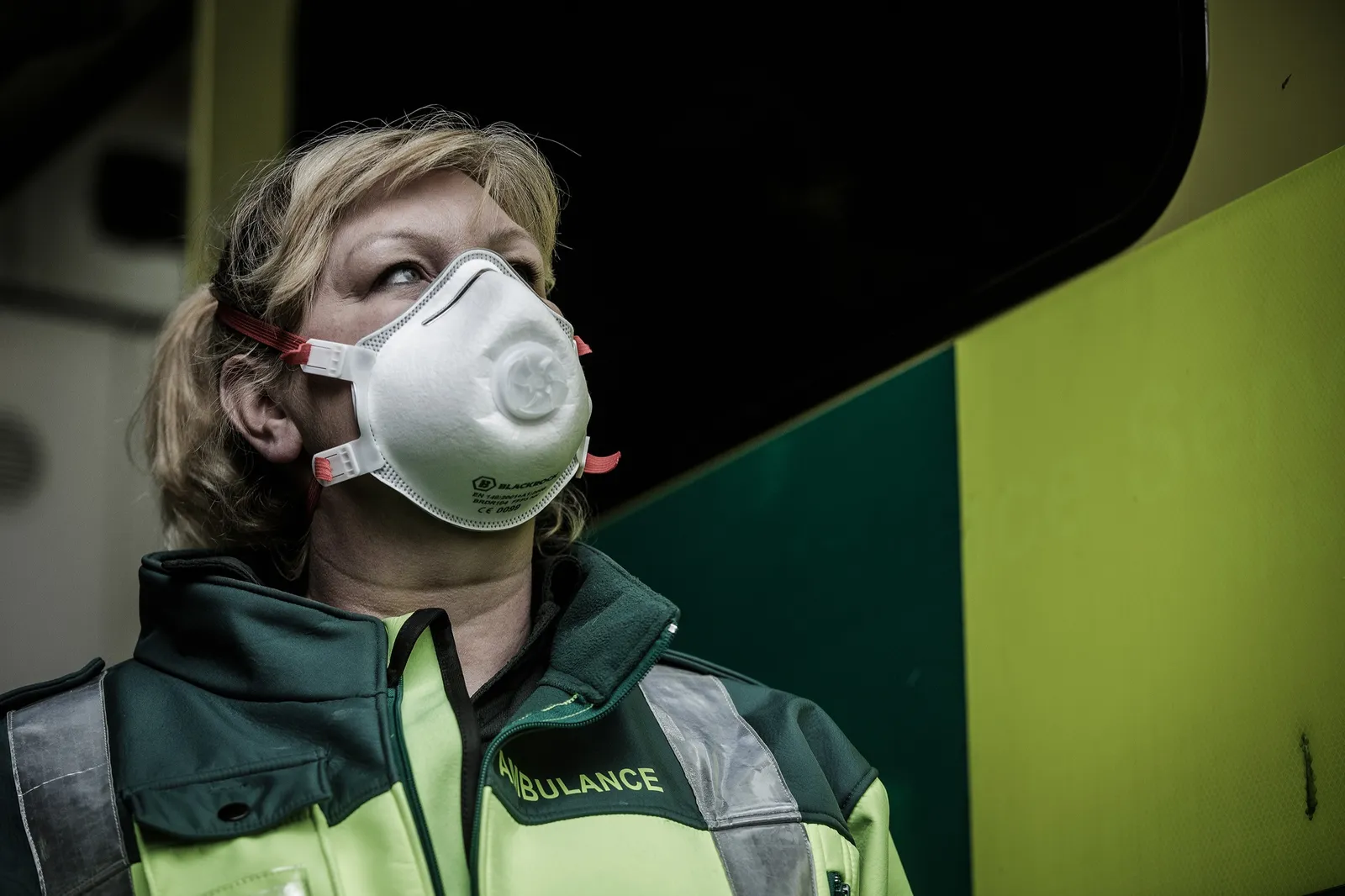
Choosing the correct respirator for a job is extremely important. However, if the respirator is not securely fitted to the face it will not provide the desired level of protection against respiratory hazards.
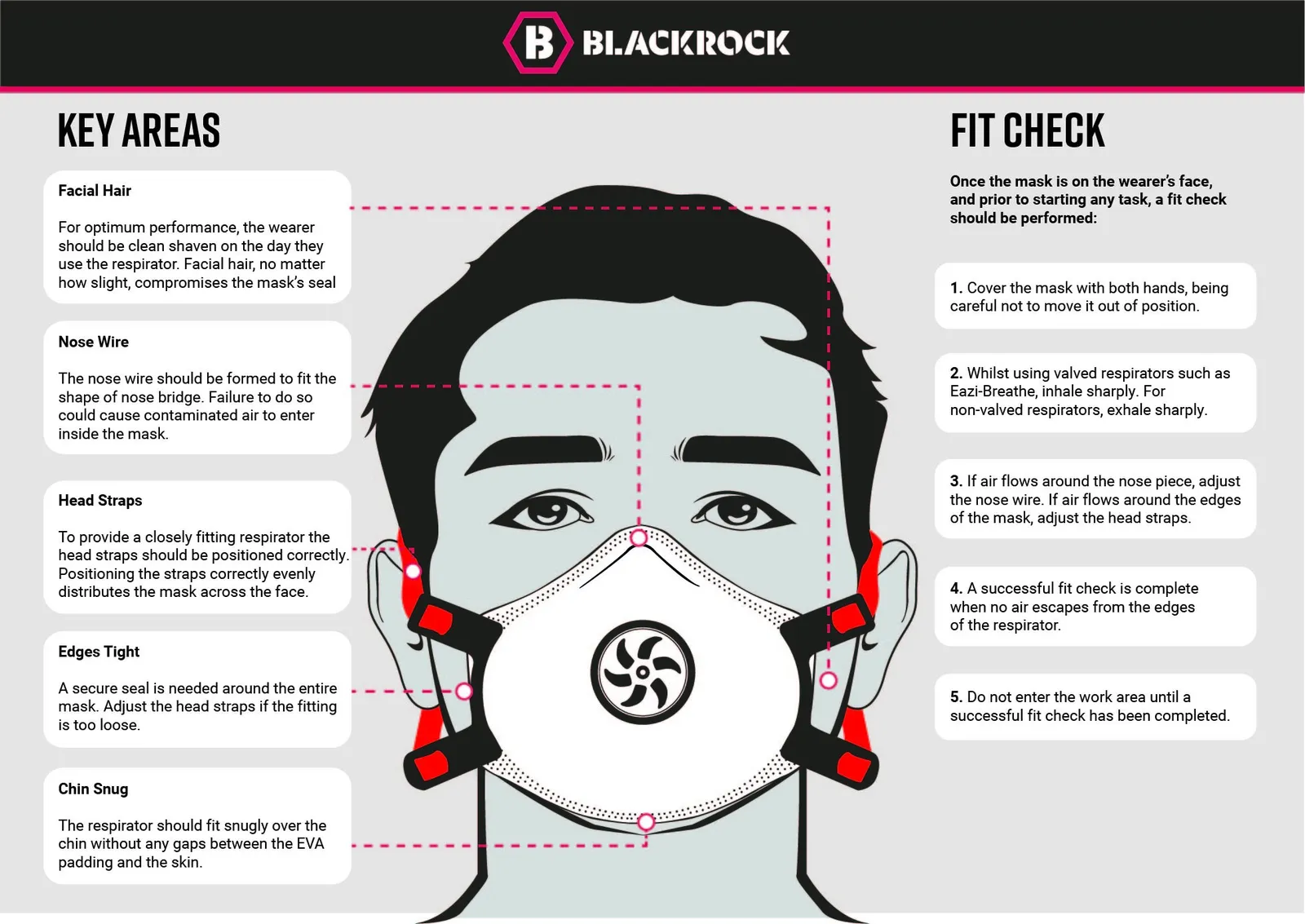
An area that is often overlooked, or ignored, when using respirators is the presence of facial hair. Facial hair, no matter how slight, compromises the mask’s seal to the face and an incomplete or inadequate seal will cause the mask to leak.
For optimum performance, the wearer should be clean shaven on the day they use the respirator.
The nose wire should be formed to fit the shape of nose bridge. The area around the nose is considered a weak point and extra care should be taken when shaping the nose wire. Failure to do so could cause contaminated air to enter inside the mask.
When to use a Respiratory Face Mask
To provide a closely fitting respirator the head straps should be positioned correctly. The top strap should pass above the ears and around the back of the head.
The bottom strap should be positioned below the ears and around the back of the neck. Positioning the straps correctly evenly distributes the mask across the face.
A secure seal is needed around the entire mask. Check that the edges of the mask are held snugly against the face. Adjust the head straps if the fitting is too loose.
The respirator should fit snugly over the chin without any gaps between the EVA padding and the skin.
Once the mask is on the wearer’s face, and prior to starting any task, a fit check should be performed:
Fold2Fit Eazi-Breathe FFP2 Respirator
Fold2Fit Eazi-Breathe FFP3 Respirator
Moulded Eazi-Breathe FFP2 Respirator

| 28 July 2025
We look at Blackrock items ideal to keep the wearer both cool and safe during the summer.
READ POST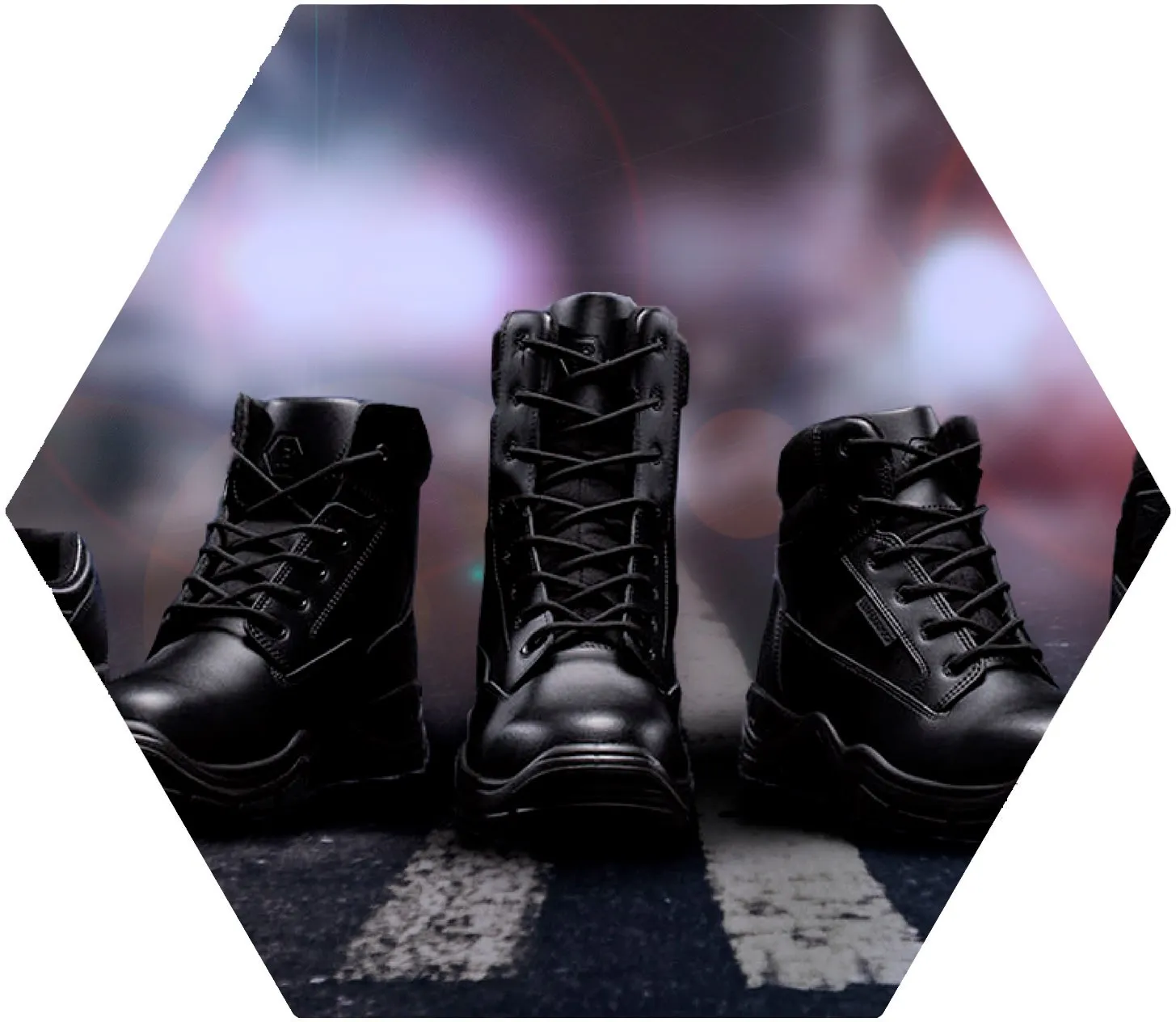
Editorial | 10 March 2021
Find out more about the newest additions to the Blackrock footwear range
READ POST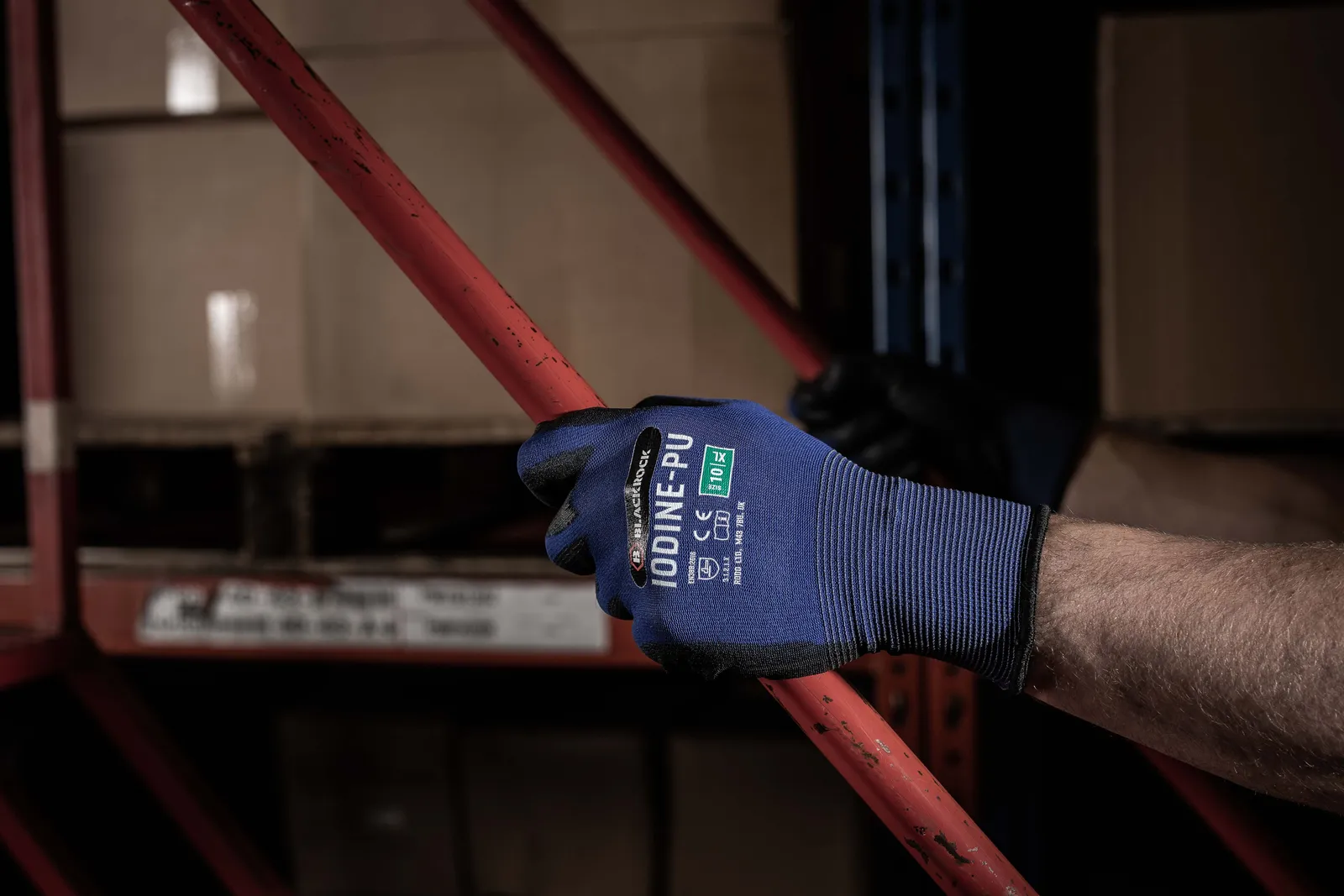
| 06 June 2022
Work gloves shouldn’t be complicated. So what does PU, FN, LC etc mean?
READ POST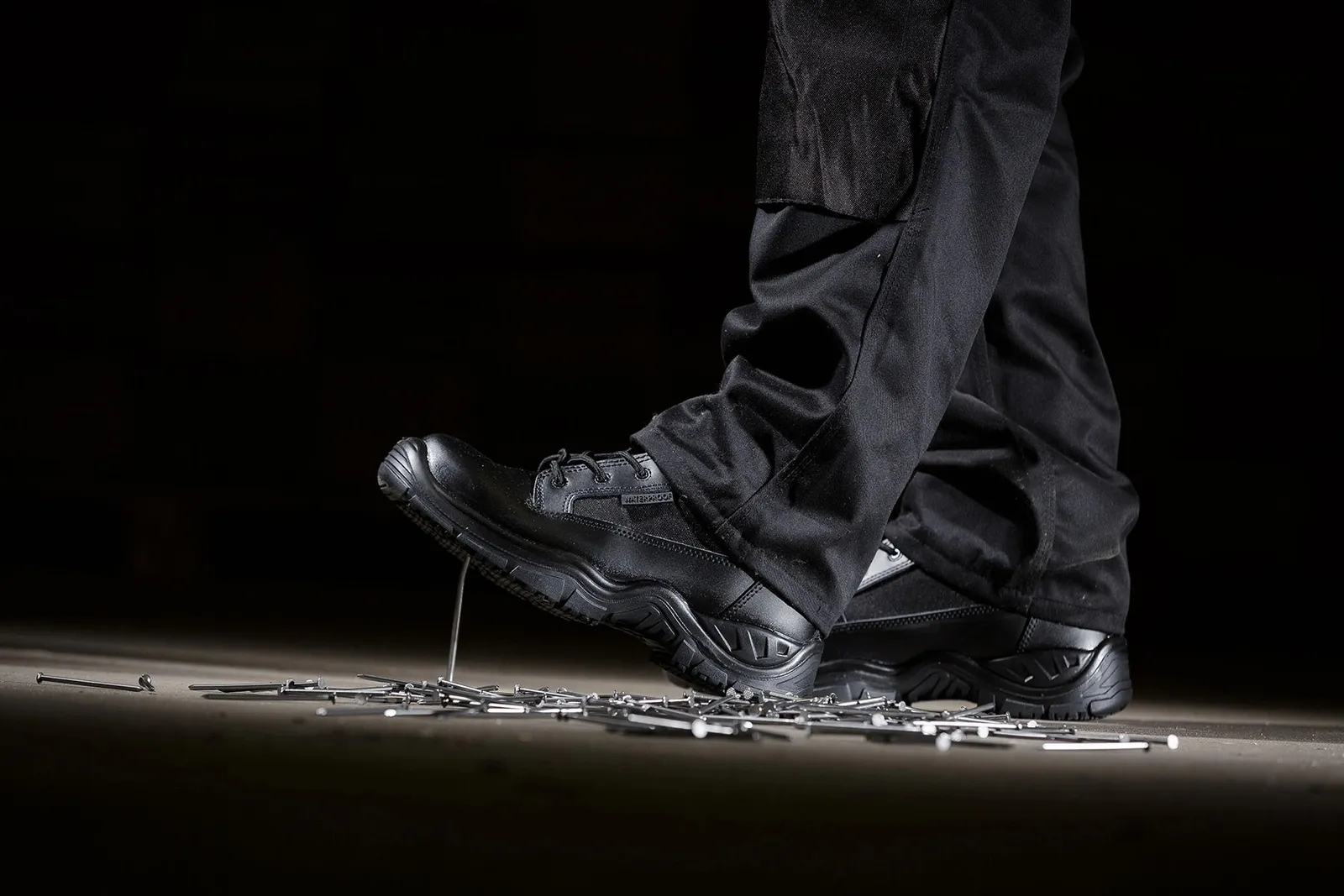
| 23 January 2023
Footwear comfort is heavily affected by the type of protective midsole you have. Which is the best for you?
READ POST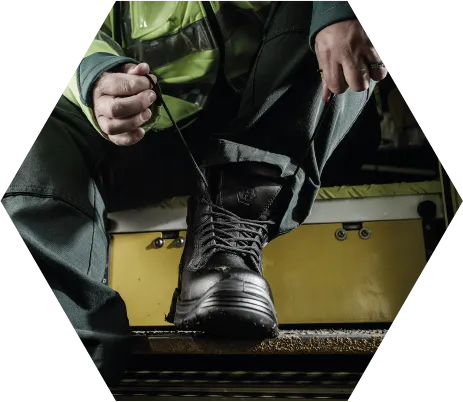
Editorial | 20 December 2021
Over the last year you may have seen the phrase ‘tactical footwear’ mentioned by us. But what is tactical footwear?
READ POST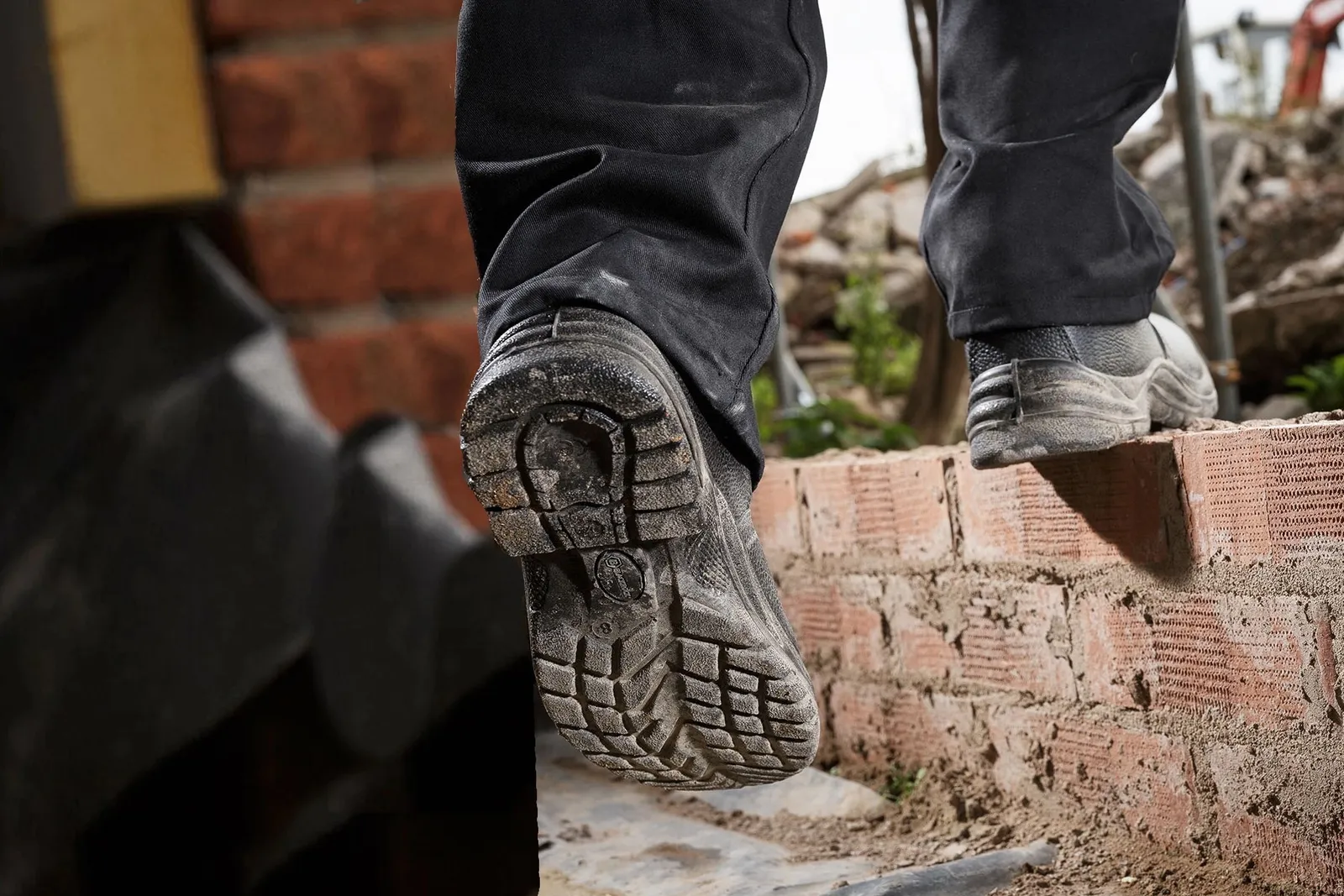
| 05 April 2023
We answer some of those questions you may have been faced with when having to choose safety footwear.
READ POST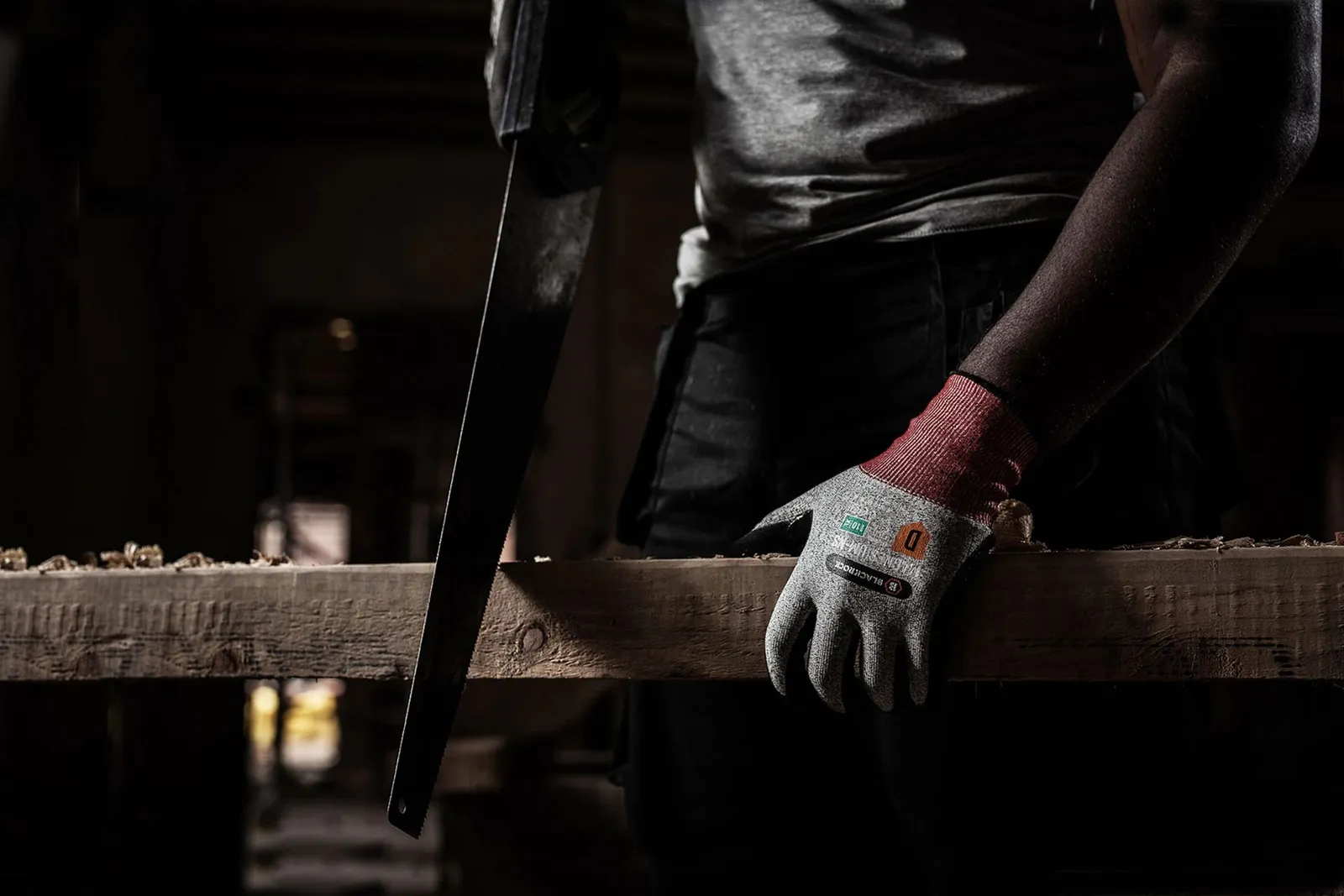
| 12 May 2023
We look at some of the misconceptions surrounding cut resistant gloves and the correct way they should be used.
READ POST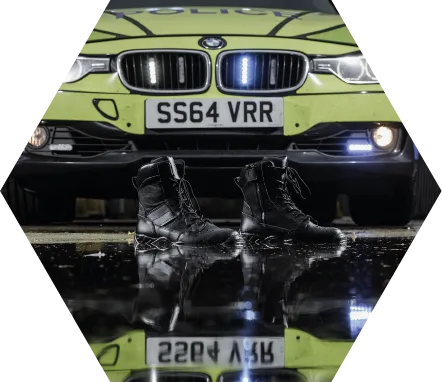
Editorial | 20 October 2021
We look at how the Tactical Footwear range stacks up against real world use by members of the police.
READ POST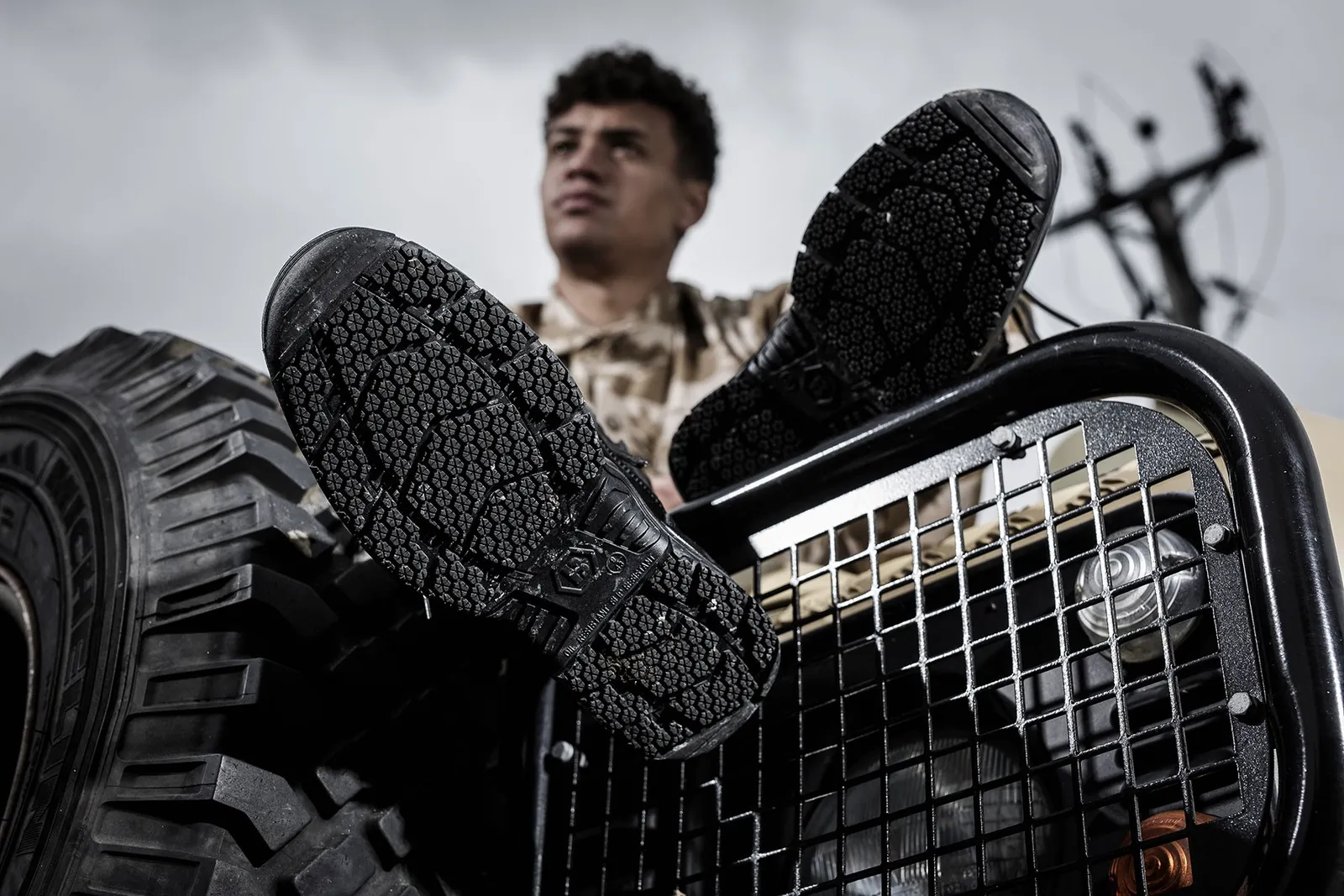
| 17 August 2023
Here's a brief overview on the latest update of safety footwear standards.
READ POST
Editorial | 07 July 2025
Director of KDG Workwear Ben Gearing talks about the evolving world of personal protective equipment.
READ POST